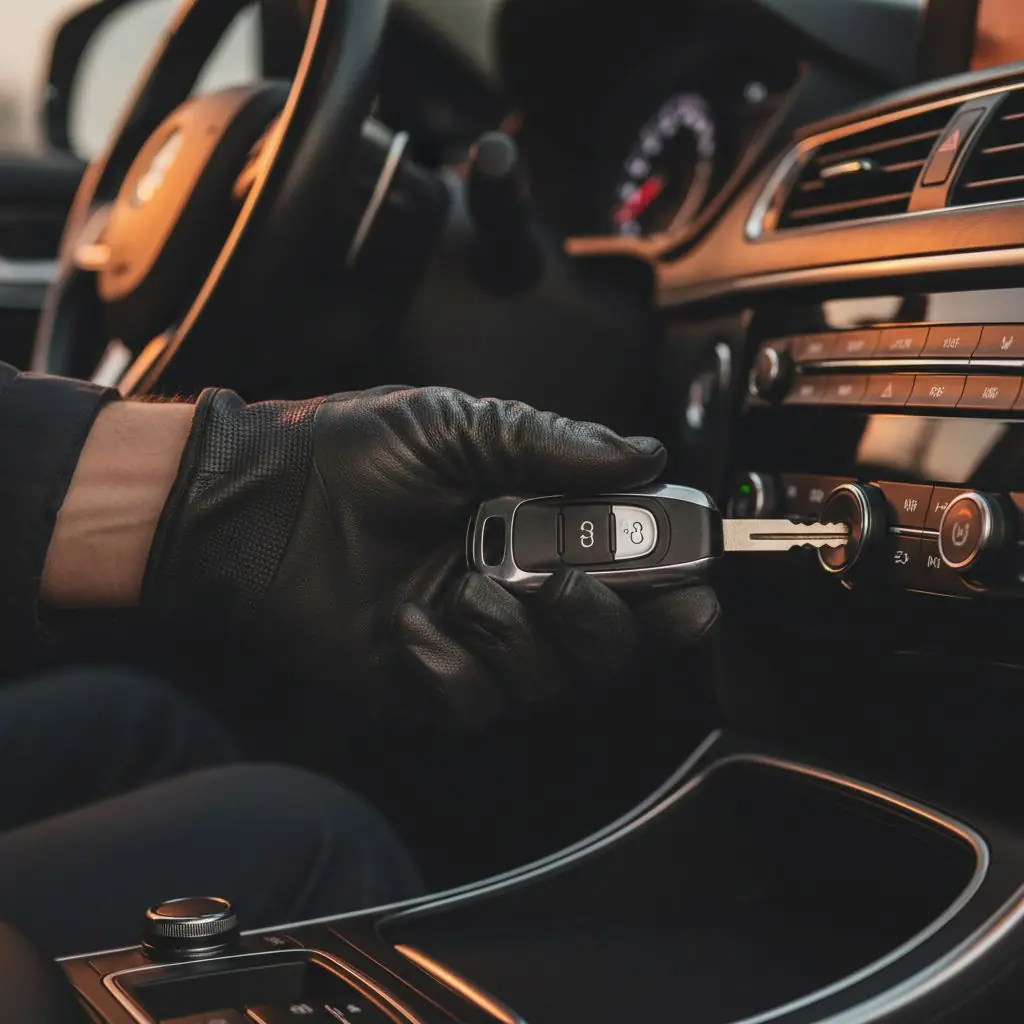
My Honda Key Won't Turn. What Should I Do?
Tell us what's happening and we'll ask a few questions to figure out what's actually going on before recommending anything.
Whether the key is sticking, the ignition won't fully turn, or it turns but the car won't start, you don't need to diagnose it yourself - tell us what's happening and we'll ask a few questions to narrow it down.
Honda models from roughly 2003-2012, especially the Accord and similar-era Civic and CR-V, use an ignition cylinder built around split-wafer tumblers. Years of a heavy keychain and everyday use wear those wafers down, and the classic symptoms are a key that sticks, needs to be wiggled to turn, or an ignition that won't fully turn or release the key afterward. Verify the exact model year with us when you call - this pattern is specific to that era of Honda ignition hardware.
Because the wear is usually confined to the cylinder itself, this is often a rebuild candidate rather than a full ignition switch replacement - we can frequently service the original cylinder and keep it working with the same key rather than swapping in new hardware.
Honda laser-cut keys are thin blades, and forcing a worn or sticking key is the most common way they snap off inside the door lock or the ignition. If a key has already broken, don't try to fish it out - the wrong tool can push the broken piece deeper or scratch the internal wafers.
If the key turns normally but the engine won't start, that's a different problem than a sticking cylinder - it usually points toward the transponder/immobilizer system rather than the mechanical lock itself. We check these separately rather than assuming it's the ignition switch.
On most Honda and Acura models, preserving one working key that operates both the doors and the ignition keeps things simple and less expensive going forward - we factor that into the repair-versus-replace conversation.
No. Tell us what's happening and we'll ask a few questions to narrow it down before recommending anything.
Wear in that generation's ignition cylinder is a pattern we see regularly in the trade. Confirm your exact year with us - it's often a rebuild rather than a full replacement.
Don't try to remove it yourself. Call us and we'll extract it without pushing it deeper or damaging the cylinder.